
Why does it vertical video matter for social media in 2026
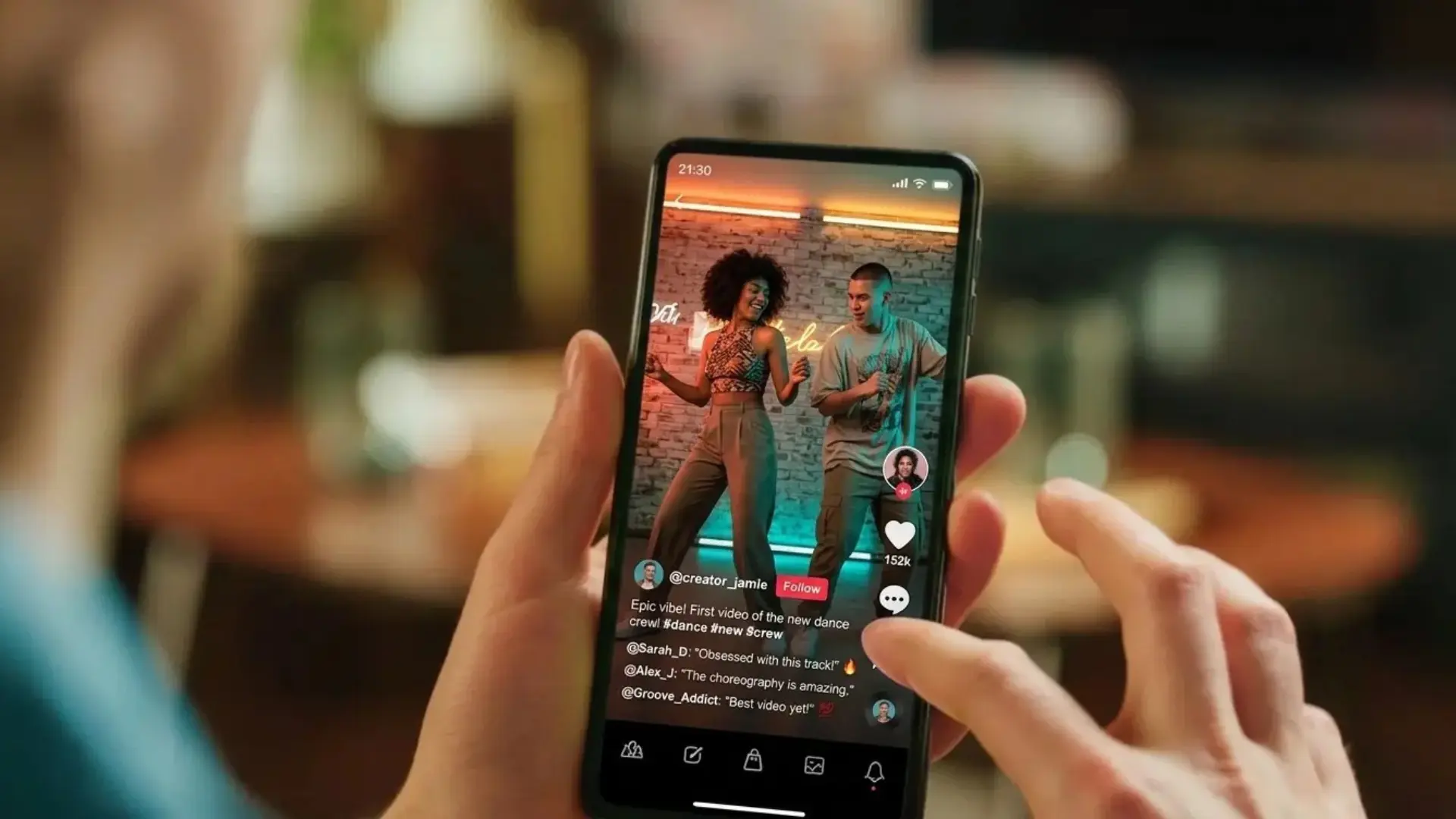
Take a quick look at how you’re holding your phone.
It’s vertical-and that simple habit has completely reshaped how content is created, distributed, and consumed in 2026
Platforms like TikTok, Instagram Reels, and YouTube Shorts didn’t just popularise vertical video-they built entire ecosystems around it. Today, vertical video is not a trend or a tactic. It’s the default format of attention in a mobile-first world.
The Shift Isn’t About Platforms-It’s About Behavior
For years, horizontal video dominated because screens like TVs and desktops were the primary viewing devices. But that world has changed.
Smartphones are now the main screen, and people naturally hold them upright. This means content that fits this behaviour instantly feels easier to consume. Vertical video removes the need to rotate the phone, eliminates friction, and fits seamlessly into scrolling habits.
This is why vertical video works so well. It doesn’t force users to adapt-it adapts to them.
Why Vertical Video Captures More Attention
One of the biggest advantages of vertical video is how it uses screen space. Unlike horizontal videos that occupy only a portion of the display, vertical videos take over the entire screen.
This full-screen experience creates a more immersive environment where:
- there are no competing distractions,
- the message is clearer, and
- the viewer’s focus is stronger.
As a result, vertical videos tend to hold attention longer and communicate ideas faster. In a world where users decide within seconds whether to keep watching, this advantage is critical.
How Algorithms Reinforce the Format
Social media platforms are designed to maximize engagement, and vertical video aligns perfectly with that goal.
On platforms like TikTok, content is distributed based on user interest and behaviour. Videos that quickly capture attention are pushed to larger audiences. Similarly, Instagram Reels and YouTube Shorts prioritize vertical videos because they perform better in feed-based environments.
This creates a feedback loop:
- vertical videos perform better,
- platforms promote them more,
- more creators adopt the format.
Over time, this has made vertical video the dominant format across social media.
The Role of Short Attention Spans
Content consumption has become faster and more selective. Users scroll quickly, make instant decisions, and expect value immediately.
Vertical video is designed for this reality. It encourages:
- strong hooks in the first few seconds,
- faster pacing and editing,
- concise and focused messaging.
Instead of long introductions, content now starts with impact. This shift has changed not just the format, but also how stories are told.
The Business Impact of Vertical Video
For brands and marketers, vertical video is not just about visibility-it’s about results.
- It improves reach because platforms favor it.
- It increases engagement because it’s immersive.
- It simplifies production because it can be created with minimal resources.
More importantly, it supports the entire marketing funnel. A single vertical video can introduce your brand, build trust, and guide users toward taking action-whether that’s visiting your profile, sending a message, or making a purchase.
Not a Replacement-But a Redefinition
Despite its dominance, vertical video hasn’t made horizontal video obsolete. Instead, it has changed its role.
Vertical video is now the primary format for discovery and engagement.
Horizontal video still plays a role in long-form storytelling, detailed content, and cinematic experiences.
The most effective strategy in 2026 is not choosing one over the other, but understanding when to use each.
What This Means Going Forward
he rise of vertical video reflects a deeper shift in how people interact with the internet. Content is no longer consumed in fixed environments-it’s consumed on the move, in short bursts, and within constantly refreshing feeds.
For businesses, this means adapting not just content, but mindset.
Success is no longer about producing the most polished video. It’s about creating content that fits naturally into how people already behave.
Vertical video matters in 2026 because it aligns with everything that defines modern digital behaviour: mobile usage, short attention spans, and algorithm-driven discovery.
It’s easy to create, easy to consume, and highly effective at capturing attention.
Most importantly, it meets users where they already are-scrolling through their phones, one video at a time.
And in today’s social media landscape, the brands that win are not the ones that demand attention, but the ones that fit seamlessly into it.