
Mastering Paid Promotion: Tips & Tricks for High-Impact Digital Marketing
Online advertising has turned out to be the cornerstone of contemporary marketing initiatives that allows companies to access the right audience at the right place with accuracy and quantifiable outputs.
Digital advertising is a rapidly developing sector with services providing more advanced features that allow companies to reach their target customers at the optimal time during their purchasing process.
To comprehend the basics of paid promotion, it is necessary to learn about different types of PPC campaigns and their functioning on other platforms.
Starting with search engine marketing and moving on to social media advertising, both of these avenues provide distinct options for units of traffic, leads, and conversions when implemented into paid visibility.
The effectiveness of any paid promotion strategy lies in the choice of the approach to your business needs, the adequacy of budgets, and constant optimization on the basis of the performance indicators.
What is PPC Marketing Channel?
This is with respect to the different platforms and networks in which companies can carry out pay-per-click advertising campaigns.
Such channels are search engines such as Google and Bing, social media such as Facebook and LinkedIn, display networks, and special-purpose digital advertising networks. All the channels are used differently and touch audiences at different points in the customer path.
The PPC marketing channels work under an auction system where the advertisers bid for the placement of the ad. It is based on the price of such factors as competition on the keywords, the quality of the ads, and the target audience features.
This knowledge in these channels will assist the marketer in selecting the most efficient channels based on their objectives and the available budget.
What is PPC in Advertising?
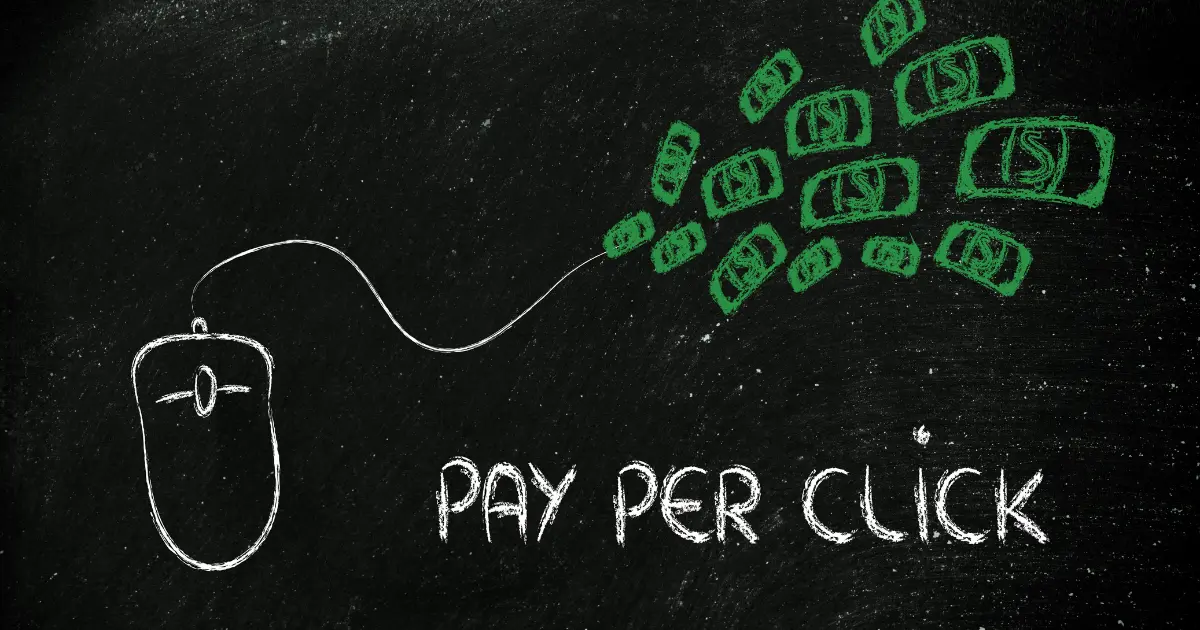
An abbreviation used to describe pay-per-click is an online marketing system in which the advertiser is charged a fee every time the advertisement is clicked.
Compared to conventional advertising, where you pay to be in the spotlight, whether you achieve your desired outcomes or not, PPC makes sure that you do not pay until someone acts as a result of clicking on your advert.
This model has a number of strengths, such as instant visibility, high-targeting measures, and quantifiable outcomes.
PPC advertising enables the company to be displayed first in the search results or occupy high spaces on websites and social media platforms, and direct interested traffic to the sites or landing pages of the company.
Critical PPC Campaign Categories
Search Engine Advertising
Google PPC advertisements are the most advantageous type of search engine adverts. Such advertisements are shown when the user types in specific keywords of your business.
Search campaigns are effective in that users who are actively searching for products/services like yours are targeted.
The significant elements of search campaigns are:
- Keywords: research and selection.
- Ad copy creation and testing
- Landing page optimization
- Bid control and budgeting.
- Monitoring and revision of performance.
Social Media Advertising
The social media advertising space is dominated by Meta ads (which used to be Facebook ads), which provide plenty of targeting opportunities in relation to demographics, interests, behaviors, and custom audiences. These channels are superior in targeting the users who might not be pursuing your products actively, but will match the profile of your ideal client.
Social media campaigns are best applied to:
- Brand recognition and brand awareness.
- Lead generation and building an email list.
- Introduction of products and advertisements.
- Retargeting Web visitors.
- Community development and participation.
Display and Video Campaigns
Display advertisement entails posting of banner advertisements, pictures, or video advertisements on websites within advertisement networks. These campaigns are very effective in creating brand awareness and reaching users as they browse content in your industry.
Video campaigns, especially on such websites as YouTube, provide interactive methods of presenting products, how to use services, or your brand story. Video is likely to achieve better engagement rates and can be very successful in terms of both awareness and conversion purposes.
How to Choose a PPC Campaign Goal
Defining Campaign Objectives
The selection criterion of the PPC campaign goal will depend on your general business goals and the position of your target audience in the marketing funnel. The goals of the campaign must correspond to specific business results you need to attain with the help of paid advertising.
Examples of typical PPC campaign objectives are:
- Traffic Generation: Raising traffic to your landing pages or website.
- Lead Generation: Gathering contact data of potential customers.
- Sales and Conversions: Direct purchase or sign-up driving.
- Brand Awareness: Making your market more visible and known.
- App Downloads: Mobile app marketing and installations.
Aligning Objectives with the Type of Campaigns.
The types of campaigns are more effective in fulfilling different purposes. Search campaigns are exceptional at getting users with high intent who are willing to make buying decisions. Display campaigns are effective at the awareness and consideration levels. Targeting and creative approach can be different social media campaigns being used for several purposes.
Look at your sales cycle length when making campaign targets. The longer the consideration cycle of a product, the more it requires an awareness and nurturing campaign, whereas impulse purchases can assume a more direct approach to conversion-oriented messages.
Key PPC KPIs and Performance Measures.
Major PPC KPIs allow seeing campaign performance and optimizing it over time. These measurements must also be in line with your campaign objectives and should present practical information on how to do better.
Essential PPC KPIs include:
-
Click-Through Rate (CTR):
The rate is used to measure the number of those who came to your ad by clicking. Increased CTRs mean content that is relevant and compelling in nature, that appeals to your target audience. The formula is: CTR = (Number of Clicks / Number of Impressions) x 100. For example, if an ad receives 200 clicks from 10,000 impressions, the CTR is 2%.
-
Cost Per Click (CPC):
A pricing model in online advertising—such as Google Ads—where advertisers are charged each time a user clicks on their ad. CPC = Total Cost / Number of Clicks
-
Conversion Rate:
Measures the rate of clicks that lead to desired behavior such as purchases, sign-ups or downloads. This indicator is directly related to ROI in the campaign.
-
Cost Per Acquisition (CPA):
This is used to calculate the average cost to get a single customer or a conversion. The measure can be used to ascertain whether campaigns are sustainable and profitable.
-
Return on Ad Spend (ROAS):
The ratio of income earned on each dollar spent on advertising. The positive ROAS means profitable campaigns.
Advanced Metrics Optimization.
In addition to the fundamental metrics, sophisticated KPIs allow gaining a better understanding of the performance of the campaigns:
- Quality Score: Website-specific scores that influence ad placement and prices.
- Impression Share: Percentage of available impressions your advertisements got.
- Average Position: The average position of your ads on the search results pages.
- Lifetime Value (LTV): Long-term value of PPC customers.
- Attribution Metrics: The Metrics of identification of touchpoints that lead to conversions.
PPC Budget Management Strategies.
Setting Realistic Budgets
In PPC budget management, you have to strike a balance between your investment in online advertising and the returns to be made. Begin by calculating the amount of money that you are willing to pay in order to acquire customers and still generate profit.
To determine your maximum cost per acquisition, you should take into consideration:
- Average order value/customer lifetime value.
- Product or service profit margins.
- Business growth objectives.
- Market and competitive environment.
Budgetary Allocation Techniques.
Allocate your budget tactically among various campaigns, keywords, and platforms according to the performance information and business priorities. The 80/20 rule tends to take place, as you often do 20 percent of the work, but get 80 percent of the results.
The strategies that can help in budget allocation are:
- Performance-Based Allocation: Spend more of the budget on campaigns that are working and spend less on those that are not.
- Seasonal Adjustments: Budgets are higher in high season periods or when there are promotions and conversion rates are usually high.
- Testing Budgets: Set aside 10-20% of your budget to test new keywords, audiences, or types of campaigns.
- Geographic Distribution: Division of budgets according to geographic performance and market opportunities.
Daily vs Monthly Budget Management
Daily budgets provide consistent exposure and prevent overspending, while monthly budgets offer flexibility to capitalize on high-performing days. Consider using automated bidding strategies that optimize spending based on performance goals rather than fixed budget constraints.
Advanced Optimization Techniques
PPC campaign types that can be successfully implemented involve the continual optimization of keywords. The recurring keyword research can be used to identify new opportunities, whereas the negative keywords will avoid wastage of funds into irrelevant traffic.
Keywords optimization methods:
- Grow successful keyword categories.
- Modify match types using performance data.
- Use negative campaigning lists.
- Dynamic customization of an ad by placing the keywords.
- Keep on checking search term reports to identify new opportunities.
- Use Keywords in your ad copy
Ad Copy and Creative Testing
An ongoing testing of ad copy, headlines, and creative aspects will enhance the performance of campaigns over time. An A/B test on the different messaging strategies will be used to determine which suits your target audience the best.
Testing elements include:
- Headlines and descriptions
- Call-to-action phrases
- Value propositions and offers.
- Landing page experiences
- Display campaign images.
Landing Page Optimization
Conversion rates are dramatically influenced by the user experience of what happens once you click your ad. Make sure landing pages are consistent with the ad messages and give obvious conversion directions.
Landing page best practices:
- Balance the headline message between pages and ads.
- Reduce form user and friction areas.
- Make trust indicators such as testimonials and guarantees.
- Deliver a fast page loading speed.
- Test various layouts and conversion items.
- keywords that used in your ad to improve keyword quality score
Platform-Specific Strategies
Google Ads Optimization
Google Ads also provides a wide range of campaign optimization functions, such as automated bidding, responsive search ads, and a wide range of audience targeting options. Use the capabilities of Google machine learning and keep the strategic control of your campaigns.
Key Google ppc ads features:
- Innovative bidding plans of automated optimization.
- Dynamic ad testing with responsive search adverts.
- Know the audience to target them.
- Google Analytics integration to do full-scale tracking.
- E-commerce business shopping campaigns.
- Writing good ad copy
Meta Ads Management
Meta ads offer advanced targeting features and novel creative forms that can be used to engage in visual storytelling and capture the attention of the audience. Target certain customer groups using Facebook’s detailed demographic and interest targeting.
The meta advertising strategies:
- Website visitor-based and customer-based custom audiences.
- Similar prospects to identify with lookalikes.
- Video materials to increase the level of engagement.
- Carousel ads to display various items.
- On the platform, lead generation is created.
- Conversion Api for better ad optimisation
“The effective PPC marketing involves constant learning, testing and optimization. Learn to know your audience, quantify what is important and fit platform changes without losing track of the global business needs. Sustainable business growth is a strong force with the right promotion strategy and execution.”